VLC marks five years of carbon neutrality
26 January 2026
After monitoring and offsetting our emissions for the 2025 financial year, VLC has officially achieved carbon neutral status for the fifth consecutive year.
Mandatory climate reporting regulations now apply to large or emissions-intensive organisations in Australia; a nod to the growing need for businesses and organisations to investigate and progressively reduce emissions from their operations. While VLC is not required to calculate or offset emissions, we believe that managing them is an important process for our business and community.
Monitoring and offsetting Scope 1, 2 and 3 emissions has been a part of VLC’s everyday operations since July 2020. In 2025, VLC also implemented an in-house carbon accounting package, adding greater insight into and control over the business’ already comprehensive carbon emissions monitoring processes.
In 2025, VLC offset its carbon emissions (across Scope 1,2 and 3) by supporting sustainable development and climate action projects from around the world with Gold Standard carbon credits. These projects include PET recycling in Romania, environmentally friendly cooking technology in Uganda and a hydroelectric generating power plant in Honduras. As with previous years, the projects that VLC has chosen to support are focused on having a positive impact on communities, individuals and the environment.
The PET recycling project is the only integrated recycling park in Romania and is also the biggest in South-Eastern Europe. By reducing the amount of virgin plastic production, the project has reduced GHG emissions by an average of 45,380 t CO2/year.

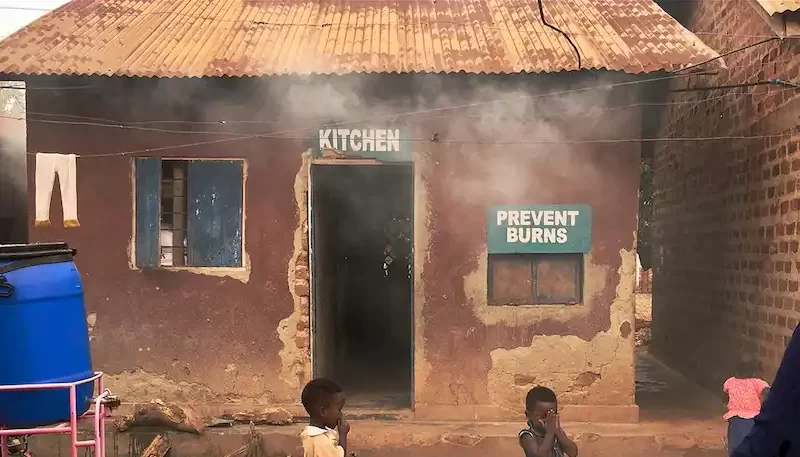
In Uganda, meanwhile, the use of 3-stone cookfires has a profoundly negative effect on air pollution, energy consumption and the country’s forested areas. The project VLC chose to support in the country helps alleviate these issues through institutional improved cookstoves that enable cleaner, safer, and more efficient cooking in a nation where 78% of the total energy consumption is from firewood.
Finally, a lack of access to electrical energy is a major issue in the north region of the Republic of Honduras. The third project VLC is supporting is a small run-of-river hydroelectric generating power plant providing renewable energy to the national grid (displacing traditional fossil fuelled power plants), whilst improving the quality of electricity for local communities. Improved access to electricity also reduces the dependency on fuel wood, helping to relieve deforestation pressures in the local environment.
These projects each deliver co-benefits that extend beyond carbon reduction or abatement by fostering positive, ongoing community outcomes, and VLC is proud to support them.